Explore the World of DIY Electronics
AJVtech: Your Gateway to Innovation
Unleash your creativity with our comprehensive guides and tutorials on Arduino, Raspberry Pi, and more. Dive into the world of electronics and start building today!
Arduino Adventures
Discover exciting Arduino projects that range from beginner to advanced levels, complete with step-by-step instructions.
Raspberry Pi Projects
Learn how to create powerful Raspberry Pi setups for a variety of applications, from home automation to media centers.
Workbench Essentials
Equip your workspace with essential tools and tips for efficient project building and testing.
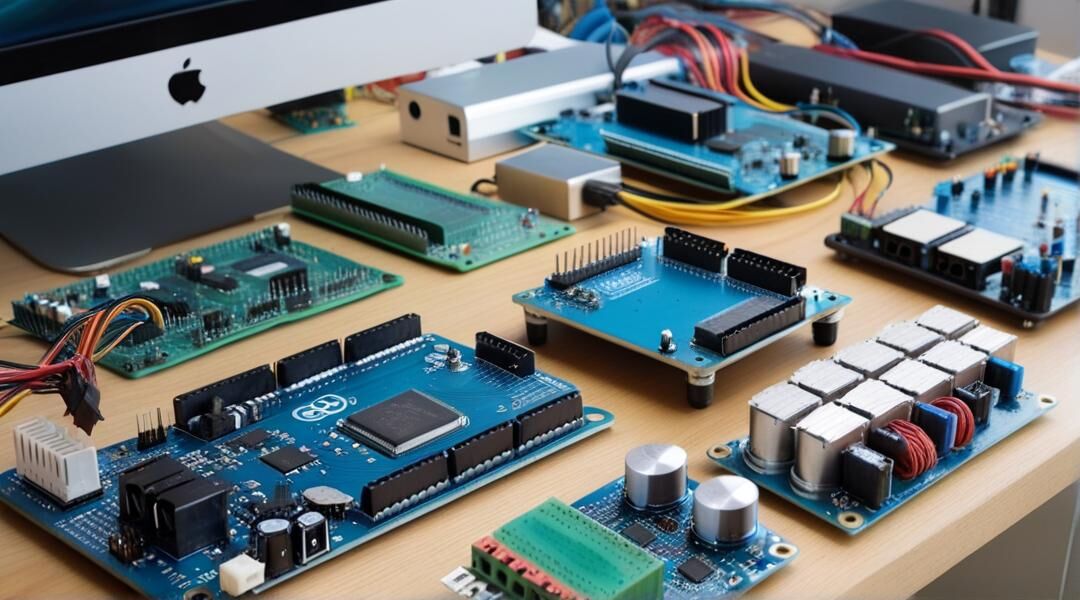
Arduino/Duino Projects
Interactive Electronics
Client
Date
My Role
Raspberry Pi Tutorials
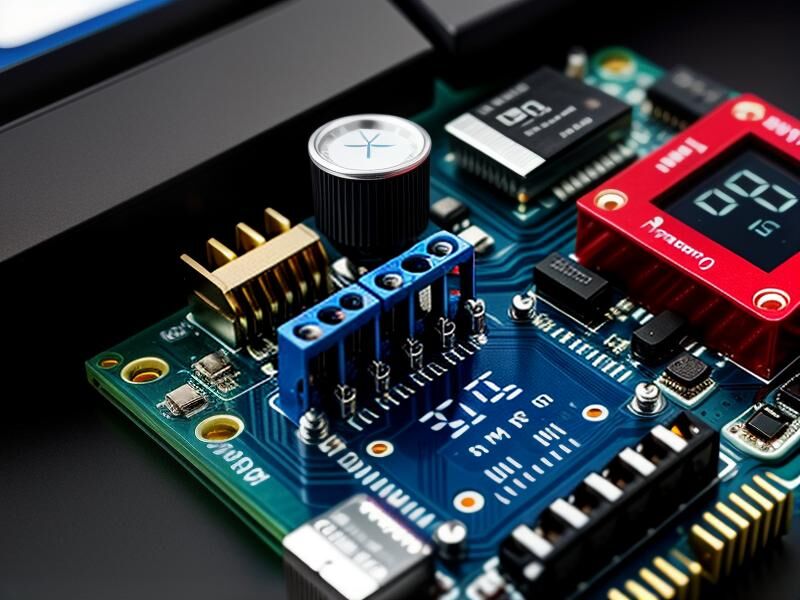
Beginner's Guide to Raspberry Pi
Start your Raspberry Pi journey with our beginner-friendly course. Learn the basics of setup, configuration, and simple projects.
$29.99
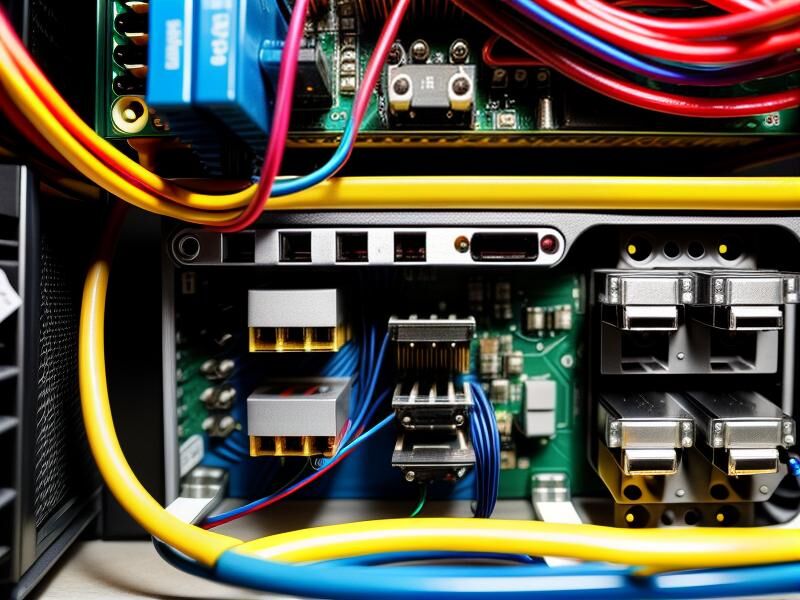
Advanced Raspberry Pi Projects
Take your skills to the next level with advanced tutorials on creating smart home systems and IoT devices using Raspberry Pi.
$49.99
Raspberry Pi for Educators
Designed for teachers, this course provides resources and projects to integrate Raspberry Pi into the classroom.
$39.99
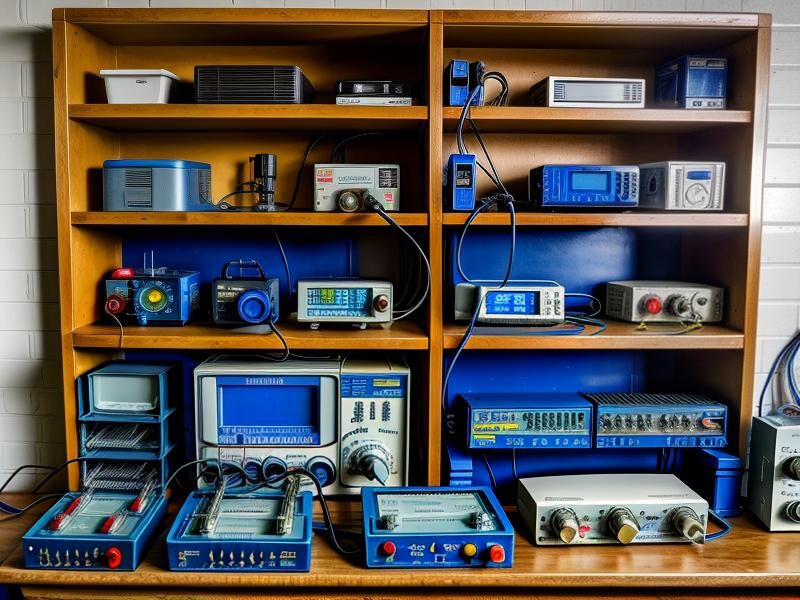
Understanding Test Equipment
Explore the essential test equipment needed for electronics projects, including multimeters, oscilloscopes, and signal generators. Learn how to use these tools effectively to ensure your projects are precise and reliable.
Multimeters: The Basics
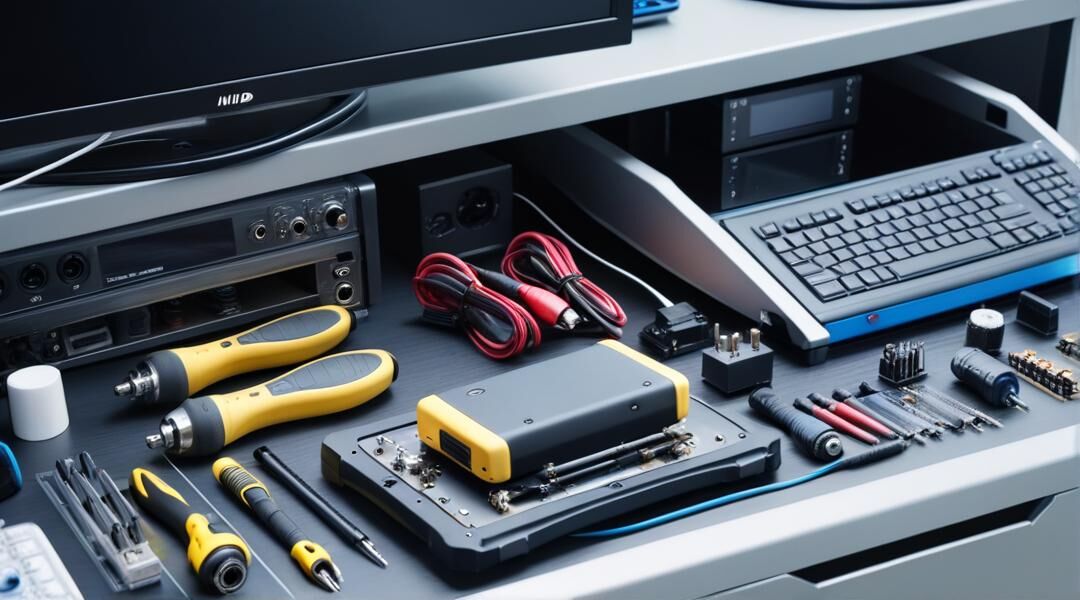
Multimeters are versatile tools that measure voltage, current, and resistance. This guide covers the different types of multimeters, their features, and how to select the right one for your needs.
Oscilloscopes: Visualizing Signals
Signal Generators: Creating Test Signals
Signal generators produce electronic signals for testing and troubleshooting. Discover the different kinds available, their applications, and tips for effective use.
Power Supplies: Ensuring Stability
Power supplies provide the necessary power for your projects. This section explains the different types of power supplies and how to choose one that fits your project requirements.
Soldering Stations: Building Connections
Soldering is a fundamental skill in electronics. Learn about the different soldering stations, their features, and techniques for creating strong, reliable connections.
Probes and Leads: Extending Your Reach
Probes and leads are essential for connecting your test equipment to circuits. Understand the different types and how to use them effectively to enhance your testing capabilities.
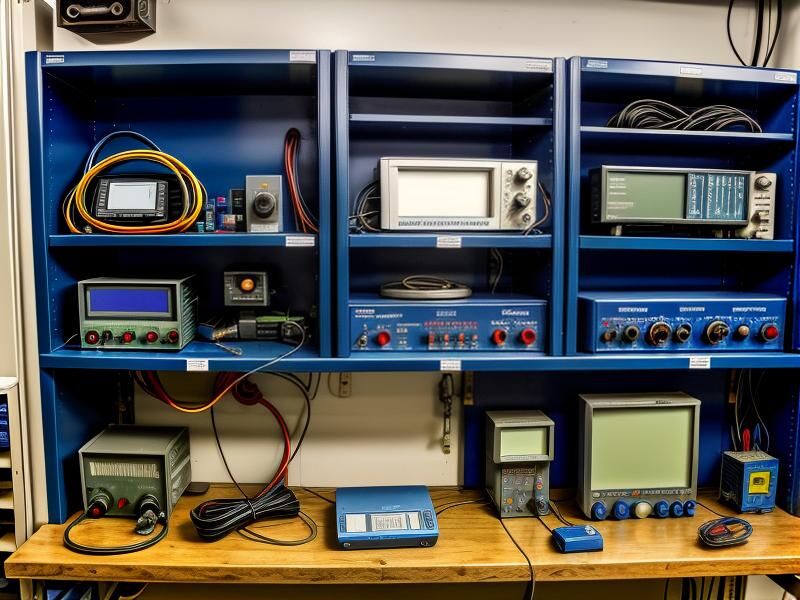
Setting Up Your Electronics Workbench
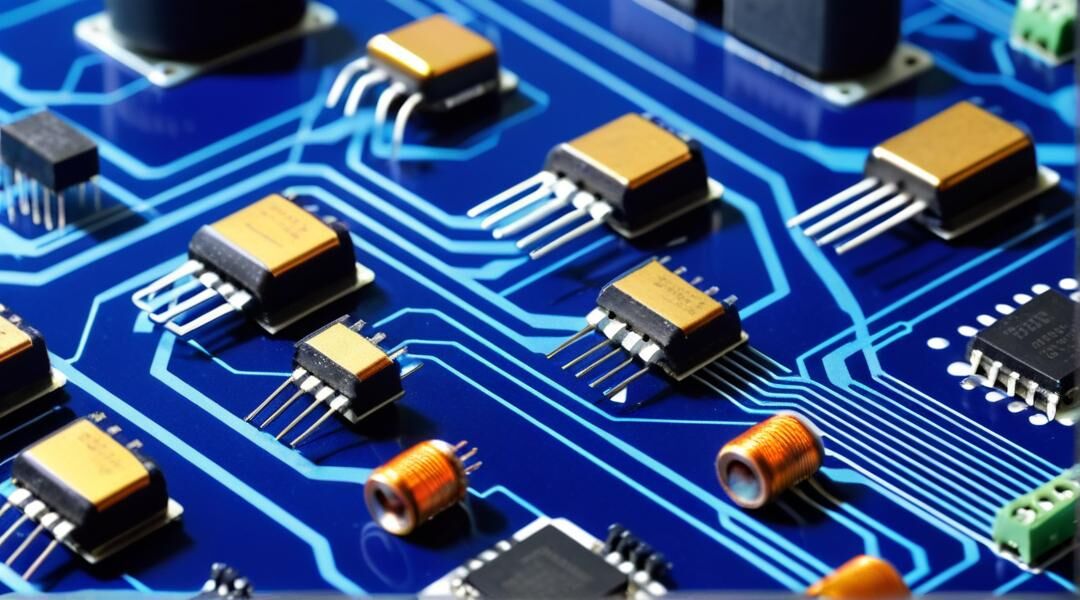
Creating an efficient and organized workbench is crucial for successful electronics projects. Discover tips on selecting the right tools, organizing components, and optimizing your workspace for productivity. Learn how to incorporate storage solutions, lighting, and ergonomic setups to enhance your workbench experience.
Top Component Reviews
Our #1 Pick
Arduino Uno R3
★★★★★
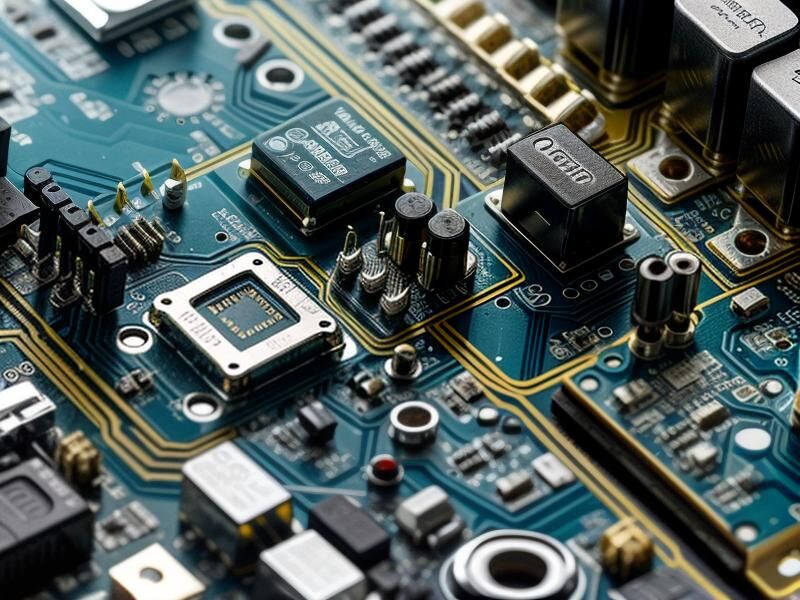
The Arduino Uno R3 is a versatile microcontroller board perfect for beginners and advanced users alike. Its ease of use and extensive community support make it a top choice for DIY electronics projects. Ideal for learning programming and prototyping.
Pros
- Easy to program with a vast library of resources
- Compatible with numerous shields and sensors
- Robust community support and tutorials
- Affordable and widely available
Cons
- Limited processing power for complex applications
- Not suitable for high-power projects
- Requires additional components for wireless connectivity
Raspberry Pi 4 Model B
★★★★★
The Raspberry Pi 4 Model B is a powerful single-board computer that offers impressive performance for its size. With its quad-core processor and multiple RAM options, it’s perfect for projects requiring more computing power, such as media centers and IoT applications.
Pros
- High processing power with multiple RAM options
- Supports dual 4K displays for enhanced visuals
- Extensive connectivity options including USB 3.0 and Gigabit Ethernet
- Strong community and software support
Cons
- Higher power consumption compared to previous models
- Can overheat without proper cooling solutions
- Requires additional peripherals for full functionality
Stay Updated with the Latest DIY Electronics Projects
Join our community of tech enthusiasts and never miss out on exciting new projects, expert tips, and the latest in DIY electronics. Subscribe now to receive updates directly to your inbox and keep your workbench buzzing with innovation!